By Kelly Broling Smoak
Bozeman's wide-open skies, stunning mountain backdrops, and four distinct seasons make it one of the most visually compelling places to own a home in the American West. But while the natural scenery does a lot of heavy lifting, the landscaping on your property plays a major role in how buyers, neighbors, and guests perceive your home the moment they pull up. Curb appeal is not just about aesthetics; it is often the deciding factor in whether a potential buyer wants to see the inside or drives away.
The good news is that improving your curb appeal in Bozeman does not require a complete landscape overhaul. A few strategic, well-executed upgrades can transform a forgettable front yard into one that turns heads and adds real value. Whether you are preparing to sell or simply want your property to look its best year-round, understanding how to work with Bozeman's climate and landscape conditions is key to achieving results that last.
From drought-tolerant plantings to hardscape improvements that hold up through freeze-thaw cycles, the right approach depends on where you live and what the Gallatin Valley environment demands. Here is what you need to know.
Key Takeaways
- Native and drought-tolerant plants are the most sustainable and low-maintenance choice for Bozeman landscapes.
- Hardscape elements like stone pathways, retaining walls, and defined edging add structure and year-round visual interest.
- Seasonal color through flowering perennials and ornamental grasses can dramatically elevate the look of your front yard without heavy maintenance.
- Lawn health matters, but in Bozeman, alternatives to traditional turf are worth considering for water conservation and visual appeal.
- Lighting, mulch, and small details like clean edging create a polished, well-maintained appearance that resonates with buyers.
Choose Plants That Thrive in Bozeman's Climate
One of the most common landscaping mistakes homeowners make in the Bozeman area is planting species that are not suited to the region's high-altitude climate. Bozeman sits at roughly 4,800 feet in elevation, which means colder winters, intense UV exposure in summer, and relatively low annual precipitation. Plants that thrive in milder climates can struggle here, leading to patchy growth, winter die-off, and ongoing frustration.
Focusing on native and regionally adapted plants solves most of these problems. Species that are indigenous to Montana or the greater Rocky Mountain region are already built to handle the conditions your yard experiences. They typically require less water once established, are more resistant to local pests and frost events, and tend to look more natural in the context of the surrounding landscape.
Ornamental grasses are especially effective in Bozeman landscapes because they provide movement, texture, and color from spring through late fall, and many varieties hold visual interest even through winter. Flowering perennials like coneflower, blanket flower, and black-eyed Susan add pops of color without demanding constant attention, and they return year after year with minimal intervention.
Plant Varieties Worth Considering
- Blue grama grass, a native Montana prairie grass, provides fine texture and exceptional drought tolerance once established.
- Rocky Mountain penstemon produces vibrant tubular flowers in shades of pink and purple and thrives in full sun with minimal irrigation.
- Serviceberry shrubs offer three-season interest with spring flowers, summer fruit, and brilliant fall foliage.
- Yarrow spreads readily, tolerates dry conditions, and produces cheerful clusters of flowers in white, yellow, and red.
- Bitterroot, Montana's state flower, is a low-growing perennial that thrives in well-drained, rocky soil and requires almost no supplemental watering.
Upgrade Your Hardscape for Structure and Longevity
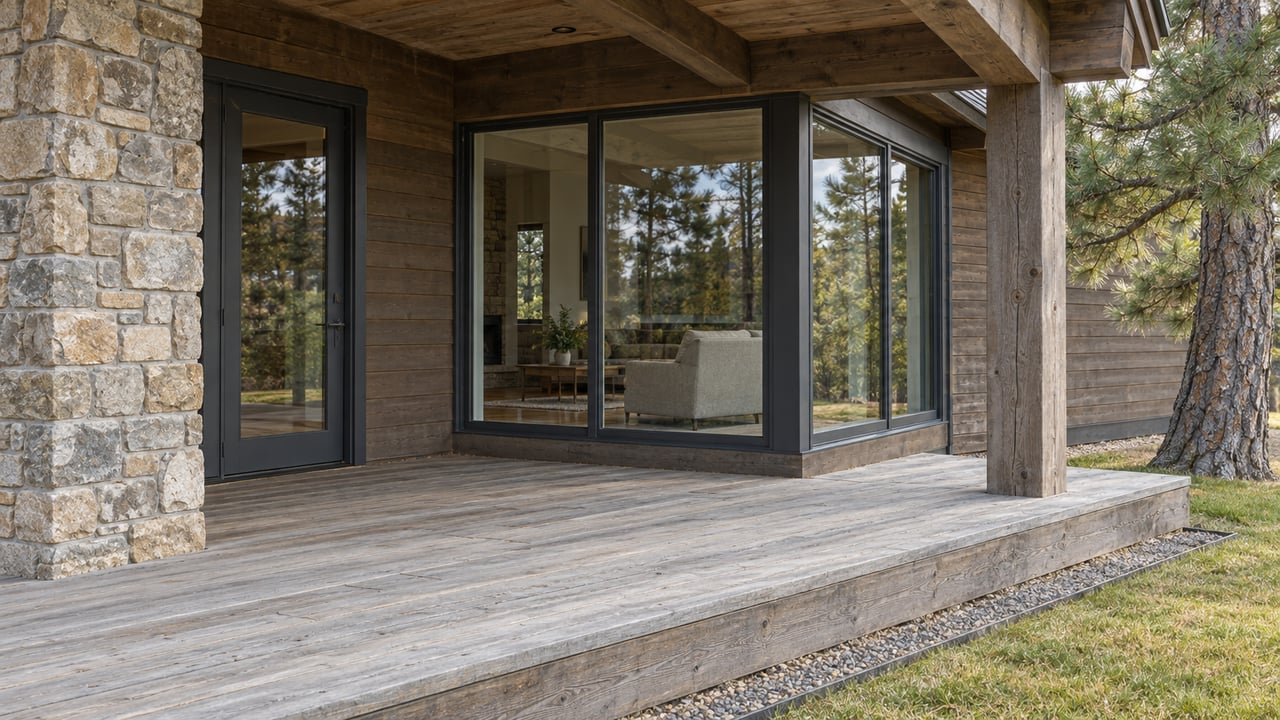
In a climate like Bozeman's, where ground freezing and thawing occur repeatedly throughout the shoulder seasons, hardscape materials need to be chosen with durability in mind. Well-designed hardscaping adds visual structure to your front yard, complements your plantings, and communicates to buyers that the property has been thoughtfully maintained.
A defined front pathway is one of the highest-return improvements you can make. Whether you use natural flagstone, concrete pavers, or gravel, a clear path from the street or driveway to your front door creates a sense of arrival and purpose. It draws the eye in the right direction and gives the landscape a framework that makes everything else look more intentional.
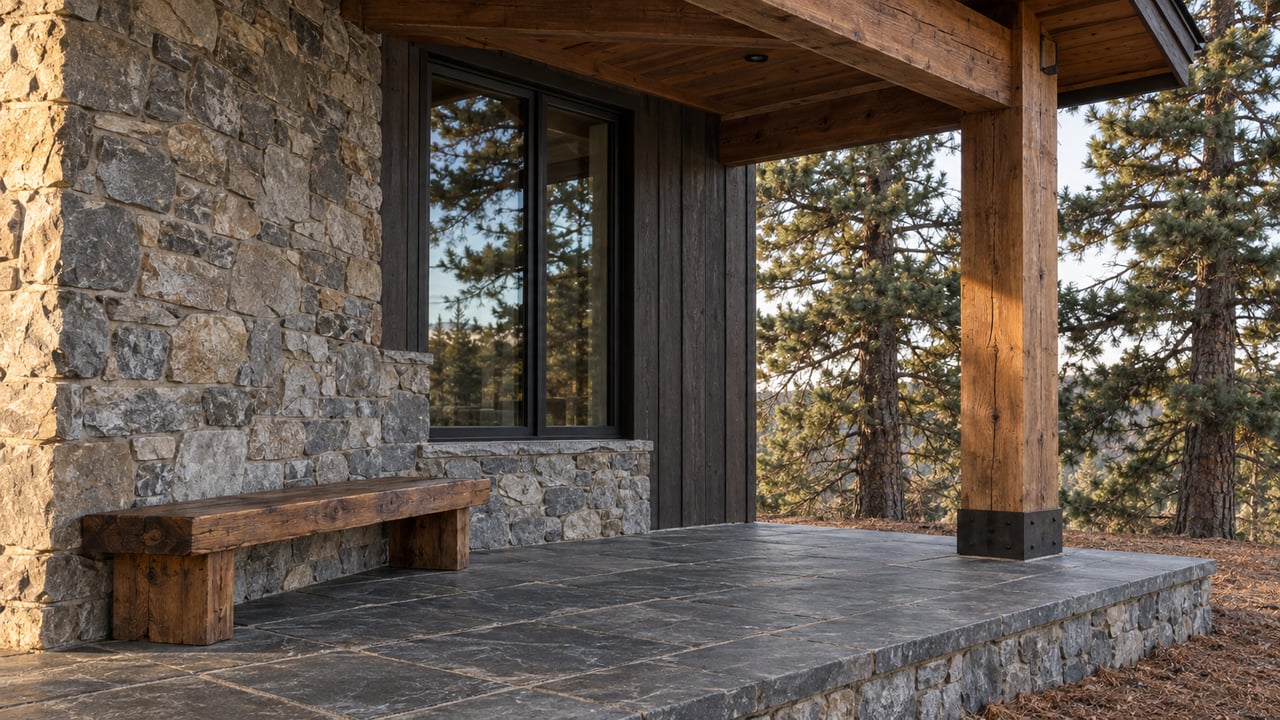
Retaining walls are another hardscape element worth investing in if your yard has any grade change. In Bozeman, where properties often sit on sloped lots and erosion from snowmelt can be a concern, a well-built retaining wall serves both a functional and aesthetic purpose. Boulder or dry-stacked stone walls feel natural in the Montana landscape and hold up exceptionally well over time without the cracking issues that can affect poured concrete in freeze-thaw conditions.
Hardscape Features That Add Curb Appeal
- Flagstone pathways set in a tight pattern give the front yard a structured, polished look while remaining permeable to water drainage.
- Natural stone or timber edging along planting beds creates clean lines that separate lawn areas from garden beds.
- A gravel or decomposed granite border along the foundation of the home reduces moisture against the structure and adds a finished appearance.
- Raised planters built from weathered wood or stone allow for controlled growing conditions and add architectural interest near the entry.
- Decorative boulders, sourced locally, provide a low-maintenance focal point that looks as though it perfectly belongs in the Montana landscape.
Rethink Your Lawn for the High Desert Environment
Traditional turf lawns can work in Bozeman, but they require more water and attention than many homeowners anticipate. Bozeman receives around 15 to 20 inches of precipitation annually, which is not enough to sustain a lush green lawn without supplemental irrigation. More homeowners are rethinking how much of their front yard they actually want in grass.
This does not mean eliminating the lawn entirely. A well-maintained patch of turf in the right area can still contribute to curb appeal, especially when it is properly edged and kept healthy. The key is being intentional about where you use it and supplementing with drought-tolerant ground covers or mulched planting beds in areas where grass struggles.
Alternatives to traditional lawns are gaining traction in Bozeman for good reason. Native ground covers, low-growing sedums, and even decorative gravel or rock mulch can provide excellent front yard coverage with far less maintenance and water use. When these alternatives are paired with thoughtfully placed plantings, the result often looks more interesting and curated than a simple expanse of grass.
Lawn and Ground Cover Strategies
- Overseeding thin lawn areas with drought-tolerant grass species like buffalo grass or fine fescue can reduce water needs significantly.
- Replacing portions of the lawn with native ground covers creates a low-maintenance transition between hardscape and planting beds.
- Applying a two-to-three-inch layer of bark mulch or rock mulch around trees and shrubs retains moisture, reduces weeds, and gives the yard a tidy appearance.
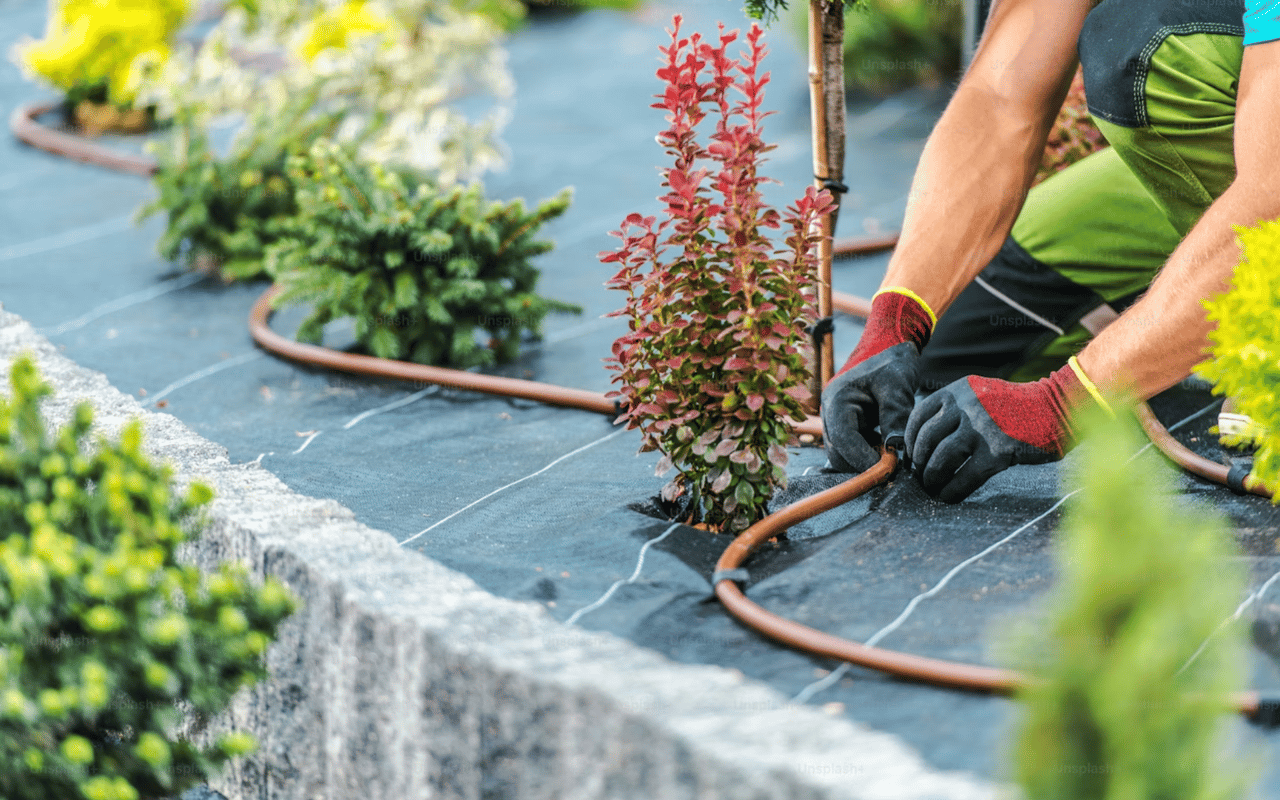
- Installing a simple drip irrigation system for planting beds uses much less water than overhead sprinklers and delivers moisture directly to plant roots.
- Defined edging between the lawn and planting beds makes even a modest yard look well-cared-for and intentional.
Focus on the Details That Buyers Notice First
Some of the most impactful curb appeal improvements are the ones that get overlooked. Before buyers evaluate your plantings or appreciate your hardscape, they are registering whether the property looks maintained and cared for. Small details communicate that maintenance level.
Clean, clearly defined edges between lawn and beds tell buyers that the property has been actively managed. A freshly painted or stained front door, updated house numbers, and a new light fixture at the entry are low-cost improvements that punch well above their price point. These finishing touches signal attention to detail in a way that resonates with buyers even before they step inside.
Outdoor lighting is another detail worth prioritizing. Solar or low-voltage landscape lights along pathways or framing a walkway extend the visual appeal of your yard into the evening hours and make your home stand out. In Bozeman, where evening temperatures can drop sharply even in summer, this kind of lighting adds warmth without any structural investment.
Small Upgrades With Major Impact
- Replacing worn or faded mulch with fresh bark mulch immediately brightens the planting beds and makes the yard look refreshed.
- Power washing the driveway, walkway, and front steps removes years of grime and makes hardscape surfaces look nearly new.
- Adding a seasonal planter or window boxes at the entry creates a welcoming focal point with minimal cost and easy seasonal updates.
- Trimming or removing overgrown shrubs that are blocking windows or crowding the front of the home opens up the sight lines and makes the home look larger.
- Updating the mailbox, house numbers, or exterior light fixture with cohesive hardware creates a consistent, polished look at the entry.
FAQs
What Plants Work Best for Curb Appeal in Bozeman?
Native and drought-tolerant species tend to perform best in Bozeman's high-altitude, semi-arid climate. Great choices include ornamental grasses, flowering perennials like coneflower and black-eyed Susan, shrubs like serviceberry and native currant, and low-growing ground covers like creeping phlox. These plants hold up through cold winters, require less irrigation once established, and look natural in the context of the surrounding Montana landscape.
How Do I Improve Curb Appeal Without Overspending?
Some of the highest-impact improvements are also among the most affordable. Fresh mulch in planting beds, clean edging between the lawn and garden areas, a coat of paint on the front door, and updated house numbers or a new entry light fixture can notably change how your home looks from the street. These are weekend-scale projects that require modest investment but deliver remarkable results.
Is Lawn Care Different in Bozeman Than in Other Parts of the Country?
Yes, in important ways. Bozeman's elevation, lower annual precipitation, and colder winters mean that traditional turf grass requires more active management and water than it would in a rainier climate. Many Bozeman homeowners are transitioning to drought-tolerant grass species or reducing lawn square footage in favor of native plantings and decorative rock mulch. If you do maintain a traditional lawn, proper irrigation, aeration, and overseeding in the fall are essential for keeping it looking its best.
When Is the Best Time to Plant in Bozeman?
The Bozeman area typically has a last frost date in late May, so late spring through early summer is the primary planting window for most perennials and warm-season plants. Fall planting can also be effective for trees, shrubs, and cool-season perennials, as it allows roots to establish before the ground freezes.
Give Your Home the Welcome It Deserves
Improving your home's curb appeal in Bozeman is about working with the land, the climate, and the materials that feel at home in the Gallatin Valley and presenting your property in its best possible light. The right plants, a few well-chosen hardscape upgrades, and consistent attention to the finishing details make a measurable difference.
When you are ready to make a move in the Bozeman real estate market, I am here to help you understand how your property shows up to buyers and what upgrades will make the most meaningful impact. Reach out to me, Kelly Broling Smoak, to get started.