By Kelly Broling Smoak
There is something about Bozeman that draws you in. Maybe it's the way the Bridger Mountains rise dramatically above the valley on a clear winter morning, the way downtown hums with energy in every season, or simply the pace of life that feels a little slower, a little more deliberate, than the city you drove in from. Whatever it is, you're not alone. Bozeman has become one of the most in-demand second-home markets in the American West, drawing buyers from coastal cities, the Midwest, and everywhere in between who are ready to trade occasional visits for something more permanent.
Owning a vacation home in Bozeman is not just a lifestyle upgrade. It's a long-term real estate investment in a market that has shown sustained demand, limited inventory, and a genuine sense of community that keeps people coming back year after year. Whether you're envisioning a ski season retreat near Big Sky Resort, a summer base for hiking and fly fishing, or a place that serves you across every season, Bozeman delivers on all of it.
That said, buying a second home is a different process than buying a primary residence. From financing to property management to understanding the local market's seasonal dynamics, there are real considerations to work through before you sign anything. This guide walks you through what to expect so you can move forward with confidence.
Key Takeaways
- Bozeman's vacation home market is shaped by seasonal demand, proximity to outdoor recreation, and a thriving year-round local economy.
- Financing a second home comes with different qualification requirements than a primary purchase, and it pays to prepare early.
- Property type matters: single-family homes, condos, and cabins each come with distinct advantages and management considerations.
- Understanding the Bozeman rental market can help you offset ownership costs if you plan to rent the property when you're not using it.
Why Bozeman Has Become a Top Second-Home Destination
Bozeman's appeal is not a trend; it's geography, infrastructure, and community all working together. Situated in the Gallatin Valley with easy access to Big Sky Resort, Yellowstone National Park, and hundreds of miles of trails and rivers, Bozeman offers a recreational range that's hard to match anywhere in the country. World-class skiing, blue-ribbon trout streams, mountain biking, whitewater rafting, and wide open spaces are everyday adventures.
Beyond the great outdoors, Bozeman has quietly grown into a small city with serious amenities. Montana State University brings energy and intellectual life to the community. The restaurant scene, local arts organizations, and independent retail along Main Street give the town a vibrancy that goes well beyond what you'd expect from a market this size. Bozeman even has a regional airport with direct flights to major hubs, which matters enormously when you're deciding how often you can realistically get there.
For second-home buyers, this combination means that Bozeman isn't a place you visit once or twice a year and mostly forget about. It's a place that pulls you in season after season, which makes the investment feel worthwhile in ways that purely financial metrics don't fully capture.
What Makes Bozeman Stand Out for Vacation Home Buyers?
- Direct flights from major cities make weekend trips realistic, not just aspirational.
- Big Sky Resort, one of the largest ski areas in the country, is about an hour's drive from downtown Bozeman.
- The Gallatin River runs through the valley, offering world-class fly fishing within minutes of most neighborhoods.
- Yellowstone National Park's north entrance is about 80 miles away, making Bozeman a perfect base for summer and fall exploration.
- A growing tech and remote-work presence means the area has built-out infrastructure that supports working from your second home.
Understanding the Bozeman Real Estate Market
Bozeman's real estate market has evolved over the past decade and has become a competitive market, particularly in and around the most desirable areas for second-home buyers. Inventory has tightened, prices have risen, and well-located properties tend to move quickly when they hit the market.
For buyers coming from larger metros, Bozeman's price points may still feel reasonable by comparison. But you'll want to understand what you're getting for your budget before you arrive with expectations set by what you've seen in online listings. The difference between a cabin on the outskirts and a property with easy highway access to Big Sky or direct proximity to downtown can be notable, both in lifestyle and in price.
Seasonality also plays a role in the Bozeman real estate market. Winter and summer are the peak periods for both use and buyer interest. Some of the best opportunities for thoughtful buyers come in the shoulder seasons, when there's less competition and more room to negotiate.
Key Property Types in the Bozeman Area
- Single-family homes in town offer convenience and access to local amenities while putting you within striking distance of the mountains.
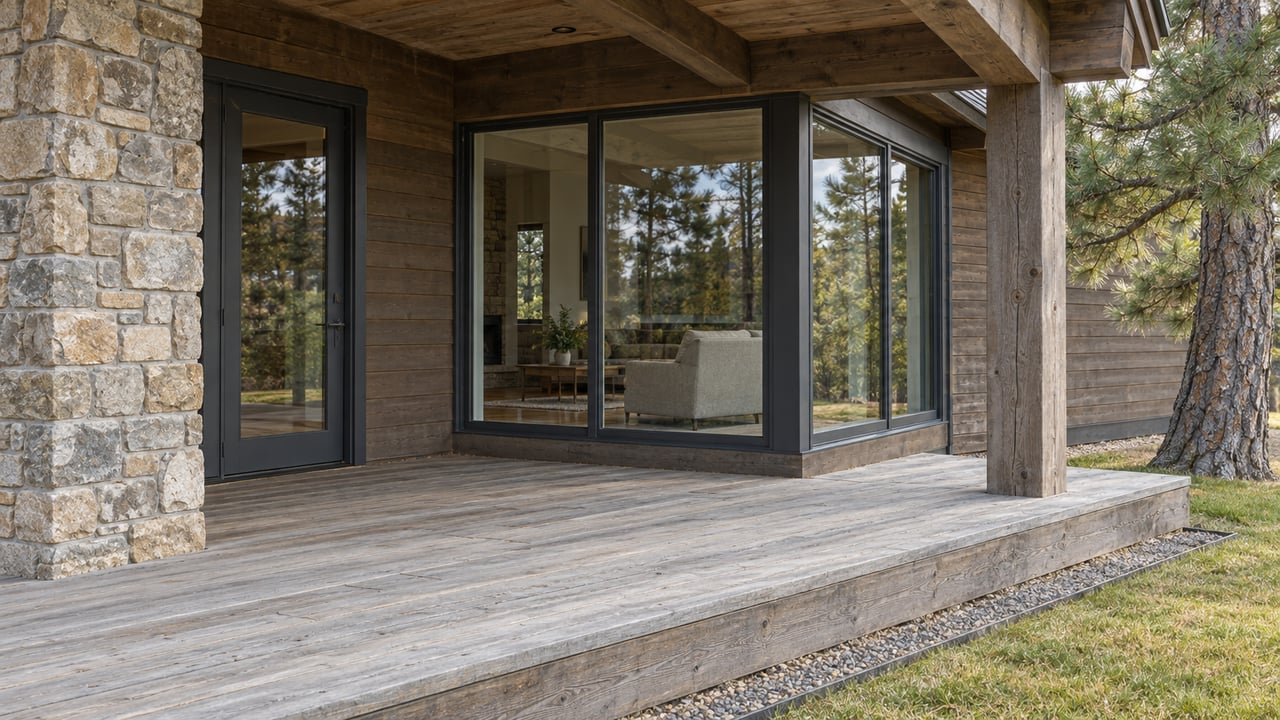
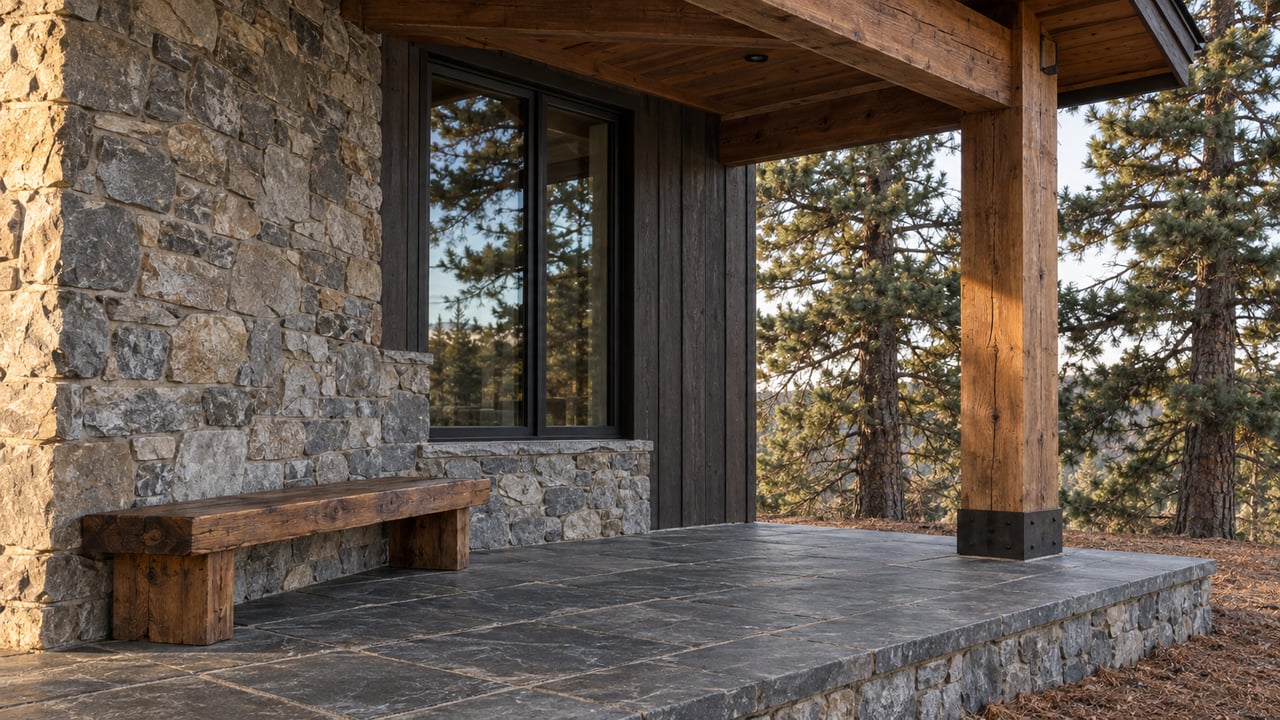
- Cabin and rural properties in the surrounding canyon and valley areas offer immersion in the landscape, often with acreage.
- Condominiums and townhomes, particularly in communities designed around an outdoor lifestyle, offer lower maintenance and easier ownership.
Financing Your Bozeman Vacation Home
Second-home financing comes with its own set of rules, and it's worth understanding them before you fall in love with a property. Lenders typically require a higher down payment for vacation homes than for primary residences, often in the range of 10 to 20 percent, and your debt-to-income ratio will be evaluated in light of your existing mortgage obligations. Credit standards are generally tighter as well.
If you plan to rent the property out when you're not using it, it's important to be transparent with your lender upfront. Properties intended for short-term rental may be classified as investment properties rather than second homes, thereby carrying different financing terms. The distinction matters, so clarify your intentions early in the process.
Questions To Ask Your Lender Before You Start
- What down payment is required for a second home?
- How will my current primary mortgage affect my qualification for a vacation home loan?
- Are there restrictions on how many days per year I can rent the property and still qualify for second-home financing?
- What documentation will I need to provide if I'm self-employed or have variable income?
- Are there loan products designed specifically for vacation home buyers that I should know about?
Managing Your Bozeman Property
One of the practical realities of vacation home ownership is figuring out what happens to your property between visits. Working with a local property management company can simplify the logistics considerably — handling guest communication, cleaning, and maintenance so you're not managing it all from a distance. Factor management fees into your financial projections so that you have a realistic picture of net rental income.
Even if you don't plan to rent the property, you'll need someone local who can check on it between visits, handle any maintenance that comes up, and winterize appropriately if you're leaving for an extended stretch. Montana’s winters are serious, and an unattended property can develop problems quickly.
What To Budget for Beyond the Purchase Price
- Property management fees, typically between 20 and 35 percent of rental revenue for full-service management.
- Seasonal maintenance, including snow removal, roof inspections, and pipe winterization.
- HOA fees, if applicable, which can vary by community.
FAQs
Is Bozeman a Good Place To Buy a Vacation Home?
Bozeman is widely considered one of the strongest second-home markets in the Mountain West. Its combination of outdoor recreation, a genuine year-round community, strong demand, and improving air access makes it an attractive option for buyers who want both lifestyle and long-term value. The market is competitive.
How Far Is Bozeman from Big Sky Resort?
Big Sky Resort is approximately 50 miles from downtown Bozeman, which translates to roughly an hour of drive time, depending on the road conditions. Many Bozeman-based vacation home owners make this drive regularly during ski season, while others choose to purchase closer to Big Sky in the Gallatin Canyon corridor.
What Is the Best Time of Year To Buy in Bozeman?
The Bozeman market tends to see the most buyer competition during winter and summer, which are peak seasons for both recreation and relocation interest. Buyers who search during the shoulder seasons, particularly spring and fall, may find more inventory and greater flexibility in negotiations. That said, standout properties move quickly year-round.
Your Bozeman Vacation Home Is Waiting
The idea of owning a piece of Bozeman real estate rarely fades once it takes hold. The mountains don't get less beautiful, the rivers don't stop pulling you in, and the quality of life here is the kind that makes you wonder why you waited so long. The practical path to getting there is clearer than you might think; it just requires the right preparation and the right guidance.
When you're ready to take the next step, I'm here to help you navigate every part of the process, from clarifying your priorities and budget to identifying properties that match what you're looking for. Reach out to me, Kelly Broling Smoak, and let's start the conversation about finding your place in Bozeman.