By Kelly Broling Smoak
Stepping into a historic home in Bozeman feels a bit like traveling through time. Each creak of the floorboards, each hand-carved banister, and every leaded-glass window carries a story. As Bozeman’s vibrant downtown and stately tree-lined streets have grown over the decades, these homes have remained steadfast—serving as both guardians of local memory and welcoming havens for new owners.
If you’re considering making one of these remarkable homes your own, there’s so much more to the experience than just signing papers and moving in. Navigating the process requires both careful preparation and a bit of imagination. This guide will help you see not only what to expect but also how to truly enjoy the journey of buying and living in a historic Bozeman home.
Key Takeaways
- Expect to encounter unique details, quirks, and requirements when purchasing a historic home in Bozeman.
- Assessing the true condition of the property is essential—pay special attention to original features, major systems, and signs of previous repairs.
- Specialized professionals and thoughtful planning are crucial to maintaining, restoring, or upgrading your home.
- The experience of owning a historic home brings connection, pride, and a lasting sense of place.
What Makes Bozeman’s Historic Homes Truly Unique
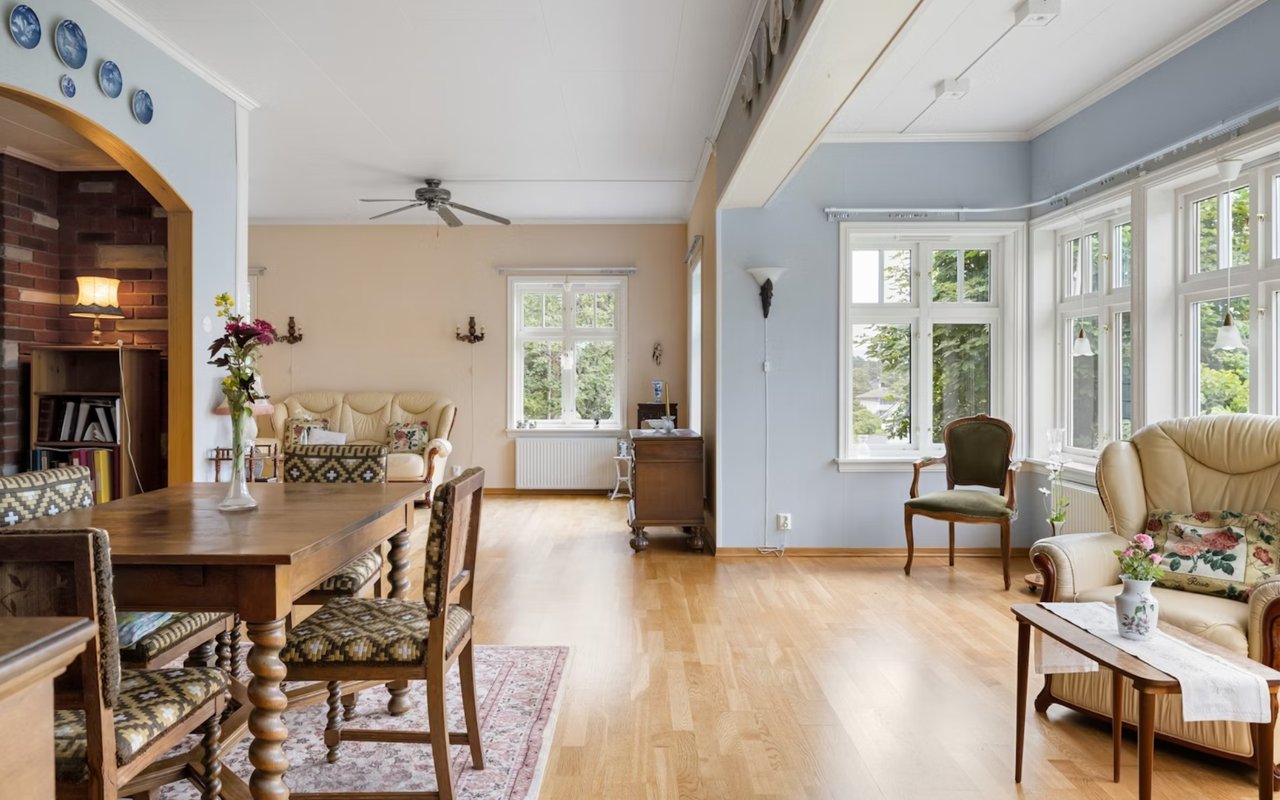
Historic homes in Bozeman are far more than charming façades; they are filled with authentic details and one-of-a-kind artistry. Original hardwood floors that glow with decades of care, vintage fixtures that have witnessed countless gatherings, and front porches that invite you to linger—all of these elements create a sense of belonging and depth that’s hard to match.
Beyond their architecture, these homes often sit on mature lots with established gardens and shade trees, offering a quiet oasis that’s still close to Bozeman’s lively rhythm. Inside, you’ll find everything from built-in cabinetry to intricate trim, often lovingly maintained or restored by previous stewards. These touches tell the story of the people who have lived here before you and invite you to add your own chapter.
Choosing a historic home means you’re not just selecting a place to live; you’re becoming part of Bozeman’s living story. The house will offer surprises, and the rewards of ownership are as much about experience as they are about investment.
Beyond their architecture, these homes often sit on mature lots with established gardens and shade trees, offering a quiet oasis that’s still close to Bozeman’s lively rhythm. Inside, you’ll find everything from built-in cabinetry to intricate trim, often lovingly maintained or restored by previous stewards. These touches tell the story of the people who have lived here before you and invite you to add your own chapter.
Choosing a historic home means you’re not just selecting a place to live; you’re becoming part of Bozeman’s living story. The house will offer surprises, and the rewards of ownership are as much about experience as they are about investment.
Hallmarks of Bozeman’s Historic Homes
- Distinctive architectural elements and period details that showcase timelessness.
- Mature landscapes and established trees that enhance tranquility and charm.
- Spaces designed for both practicality and warmth, such as wide porches and inviting parlors.
- Unique quirks and features not found in new construction.
- An enduring sense of connection to Bozeman’s ongoing narrative.
What to Look for on Your Search: Seeing Beyond the Surface
The moment you set foot inside a historic home, it’s easy to get swept up in its atmosphere. However, falling for a home’s aesthetic without considering its structural health can lead to challenges. When touring, go beyond first impressions and pay close attention to the underlying condition of the property.
Inspect the foundation and roof for signs of settling or leaks. Windows, doors, and original woodwork may be beautiful but could require careful restoration. Outdated electrical and plumbing systems are common in older homes and may need updating for comfort and peace of mind. Walls and ceilings should be checked for cracks or signs of water intrusion, as these may point to deeper underlying issues.
Ask for documentation of past renovations or repairs. A well-loved historic home often comes with a record of improvements, which can offer valuable insight into how well the property has been maintained over time.
Inspect the foundation and roof for signs of settling or leaks. Windows, doors, and original woodwork may be beautiful but could require careful restoration. Outdated electrical and plumbing systems are common in older homes and may need updating for comfort and peace of mind. Walls and ceilings should be checked for cracks or signs of water intrusion, as these may point to deeper underlying issues.
Ask for documentation of past renovations or repairs. A well-loved historic home often comes with a record of improvements, which can offer valuable insight into how well the property has been maintained over time.
What to Examine in a Historic Home
- Foundation, roof, and overall structural condition.
- Integrity and function of original windows, doors, and woodwork.
- The age and quality of plumbing, heating, and electrical systems.
- Evidence of moisture, water intrusion, or pest activity.
- Operation and condition of unique historic features, such as fireplaces or staircases.
- Availability of records related to previous upgrades or repairs.
Understanding Guidelines and Regulations for Historic Homes
Owning a piece of history means helping to preserve it. Certain guidelines exist to help retain the character and integrity of Bozeman’s historic properties. Before you plan any updates, familiarize yourself with the regulations that may apply to your home. These can influence choices about exterior paint colors, materials used for repairs, or the way additions are designed.
Some homes may be recognized by local preservation boards or fall under citywide efforts to maintain architectural heritage. These organizations can be an excellent resource, providing advice and answering questions about permitted changes or restoration work. Engaging with these groups ensures you’re prepared and sets you up for a smoother ownership experience.
Some homes may be recognized by local preservation boards or fall under citywide efforts to maintain architectural heritage. These organizations can be an excellent resource, providing advice and answering questions about permitted changes or restoration work. Engaging with these groups ensures you’re prepared and sets you up for a smoother ownership experience.
Points to Remember About Local Guidelines
- Specific approvals may be needed for exterior changes or additions.
- Restoration work may require using materials or methods that align with the home’s original character.
- Local preservation organizations offer helpful guidance and support.
Inspections and Professional Evaluations: Setting the Stage for Success
Unlike newer homes, historic properties often need more specialized attention during the inspection phase. Choose inspectors and contractors with experience in older homes; they’re equipped to recognize construction styles and materials no longer used today, and they may spot potential trouble areas that might be missed in a routine evaluation.
Inspectors should look for aging foundations, worn roofing, obsolete wiring, and plumbing made from outdated materials. They’ll also check for the presence of lead paint or asbestos, both of which are more common in older properties. Sometimes, hidden damage in attics, crawl spaces, or basements can go unnoticed for years; a thorough evaluation is your best safeguard against costly surprises down the line.
Preparing for specialized inspections now can help you prioritize immediate repairs and plan for long-term stewardship of your new home.
Inspectors should look for aging foundations, worn roofing, obsolete wiring, and plumbing made from outdated materials. They’ll also check for the presence of lead paint or asbestos, both of which are more common in older properties. Sometimes, hidden damage in attics, crawl spaces, or basements can go unnoticed for years; a thorough evaluation is your best safeguard against costly surprises down the line.
Preparing for specialized inspections now can help you prioritize immediate repairs and plan for long-term stewardship of your new home.
Inspection Essentials for Historic Homes
- Partner with professionals who have proven experience with older properties.
- Carefully examine the foundation, attic, and hidden spaces for structural issues.
- Assess all plumbing, heating, and electrical systems for safety and functionality.
- Test for the presence of materials like lead paint or asbestos.
- Factor inspection findings into your overall budget and planning.
- Use inspection results to guide your restoration or improvement strategy.
Blending Modern Comfort With Historic Character
One of the most rewarding aspects of owning a historic home is finding ways to introduce contemporary conveniences without erasing the charm that makes your property special. Many owners update kitchens and baths, refresh the utilities, and improve energy efficiency—all while carefully maintaining irreplaceable features.
Consider thoughtful design solutions, like integrating modern appliances with classic cabinetry or adding new lighting that showcases period details. For extensive updates, it’s best to consult with professionals who understand how to strike a balance between function and authenticity. Throughout the process, remember that even small enhancements—like improving insulation or sealing original windows—can add comfort without compromising style.
Consider thoughtful design solutions, like integrating modern appliances with classic cabinetry or adding new lighting that showcases period details. For extensive updates, it’s best to consult with professionals who understand how to strike a balance between function and authenticity. Throughout the process, remember that even small enhancements—like improving insulation or sealing original windows—can add comfort without compromising style.
Modern Upgrades That Respect History
- Upgrade electrical, plumbing, and heating systems for modern use.
- Enhance comfort with improved insulation and weatherstripping.
- Choose appliances and fixtures that complement your home’s character.
- Use design strategies that highlight original features.
- Embrace creative solutions for maximizing efficiency while preserving beauty.
FAQs
What Are the Most Important Things to Check When Buying a Historic Home in Bozeman?
Evaluate the condition of the foundation, roof, and all major systems. Look closely at the state of original features, and request information about previous repairs or restoration work to understand the home’s maintenance history.
What Should I Budget for Maintenance and Restoration?
Maintenance costs can vary, but it’s wise to prepare for both immediate updates and ongoing upkeep. Collect quotes from experienced contractors and set aside a reserve fund for unexpected repairs or restoration needs.
What Modern Upgrades Are Possible Without Sacrificing a Home’s Character?
Many upgrades—such as updating utilities, adding new insulation, or refreshing kitchens and baths—can be accomplished while preserving original features. Thoughtful planning and professional guidance are key to maintaining both comfort and authenticity.
Ready to Write Your Next Chapter in Bozeman?
Owning a historic home in Bozeman is about more than bricks and mortar; it’s about honoring the past while creating a vibrant, meaningful future. With preparation, patience, and the right support, you can enjoy every step of the journey—discovering the hidden treasures within your home and making memories that will last for generations.
If you’re inspired to start your journey toward owning a historic home in Bozeman—or if you’re seeking expert guidance for any real estate decision—I invite you to reach out. As your dedicated real estate guide, connect with me, Kelly Broling Smoak. I offer personalized advice, local insight, and an unwavering commitment to helping you navigate the unique opportunities of Bozeman’s vibrant market. Let’s work together to find the home that fits your vision, preserves your peace of mind, and welcomes you into the next chapter.
If you’re inspired to start your journey toward owning a historic home in Bozeman—or if you’re seeking expert guidance for any real estate decision—I invite you to reach out. As your dedicated real estate guide, connect with me, Kelly Broling Smoak. I offer personalized advice, local insight, and an unwavering commitment to helping you navigate the unique opportunities of Bozeman’s vibrant market. Let’s work together to find the home that fits your vision, preserves your peace of mind, and welcomes you into the next chapter.